


Trains from Pamplona to Granadafrom $ 10.57
Trains from Pamplona to Granada
Buy train tickets from Pamplona to Granada
Traveling by train from Pamplona to Granada is an easy and comfortable journey. RailClick is the best way to travel Europe by train.
Pamplona: Places to see
A trip to Pamplona, Spain offers a unique chance to explore the historical and architectural wonders of this iconic city. Located in the culturally rich Navarre region of northern Spain, Pamplona is famous for its annual Running of the Bulls festival, but for the rest of the year, it's a charming and vibrant city, rich with architectural and cultural sites to explore. Here’s a list of the must-visit attractions in Pamplona for history and architecture buffs!
Pamplona Cathedral: Built in the 12th century, the Pamplona Cathedral is a stunning example of Gothic architecture located in the city centre. This beautiful grandiose structure enjoys manicured gardens and a striking square tower. Its entrance is free, and it’s open from 9am to 7pm on weekdays and 9am to 2pm on Saturdays and Sundays.
Baluarte de la Reina: Located next to the Cathedral, this impressive 16th-century military fortification boasts a distinctive bell tower. Visitors can explore its old barracks, the vaulted ceiling area called the Hall of the Skeletons, and the old guard house. Entrance to Baluarte de la Reina is free and open from 10am to 1:30pm and 5pm to 8pm from Tuesday to Sunday.
Citadels of Pamplona: The ancient citadels are a network of fortified walls that were built in the 16th and 17th centuries. Located close to Baluarte de la Reina, the impressive structures and stone archways offer a glimpse into the city’s past. Admission to the citadels is free and you can visit them from 10am to 2pm and 5pm to 8pm from Tuesday to Sunday.
Santo Domingo Church: Located in the vibrant old quarter of Pamplona, the Santo Domingo Church dates back to the 11th century and is one of the oldest churches in Spain. A must-visit for history and architecture enthusiasts, the edifice is a stunning mix of Romanesque, Gothic, and Renaissance styles. Admission is free, and the church is open from 10am to 7pm from Tuesday to Sunday.
Museo de Navarra: This museum documents and celebrates Navarran culture and history, with their collections focusing on archaeology, sculpture, jewellery, painting, and more. Admission is free, and the museum is open from 10am to 7pm from Tuesday to Sunday.
Citadel of Atarés: Located in a nearby town called Atarés, this prominent citadel was built in the 9th century and is well-preserved. Here you can explore the remains of the Roman walls and the historic palaces from the 15th and 16th centuries. Entrance to this site is free and it’s open from 10am to 2pm and 5pm to 8pm from Tuesday to Sunday.
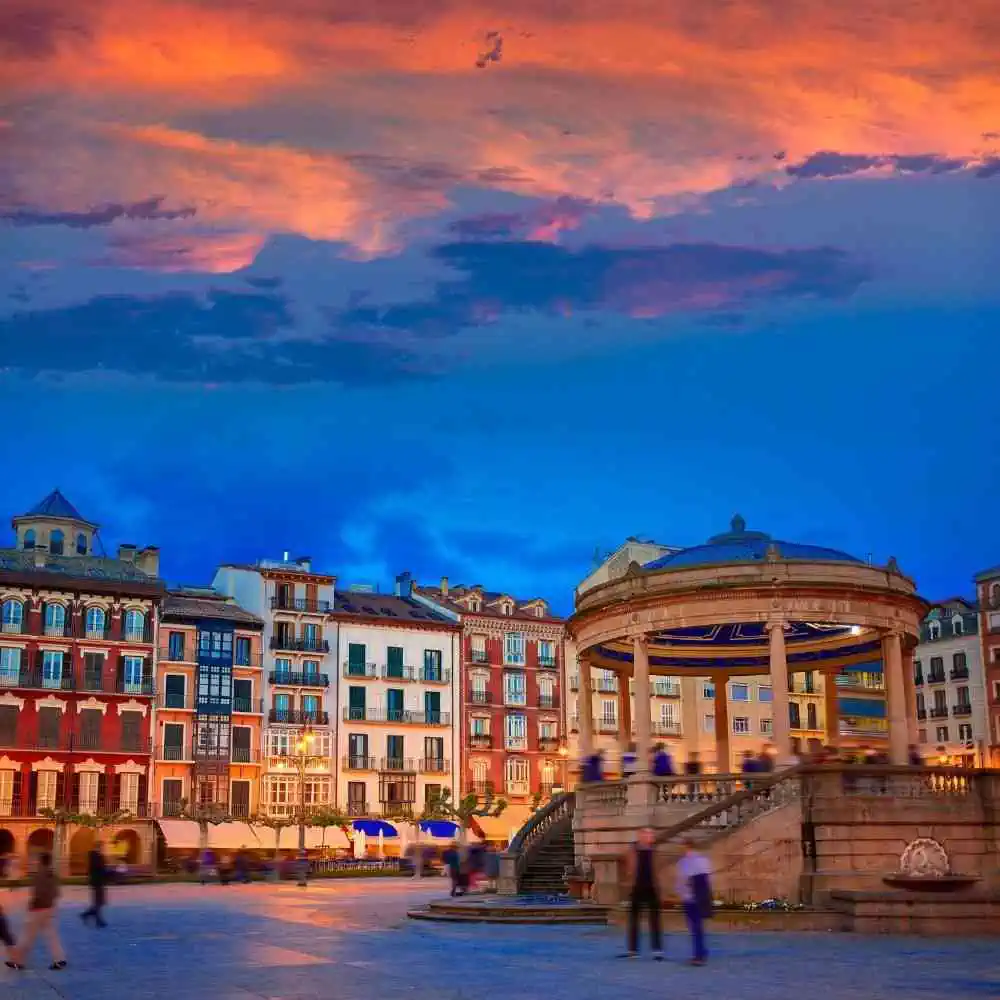
Plaza del Castillo: A vibrant public square in the center of Pamplona, Plaza del Castillo is a popular gathering spot for locals and visitors alike. The sunny plaza features an array of local shops, sidewalk cafes, and notable buildings, including the City Hall and the 17th century Palace of Navarre.
From exploring stunning cathedrals and ancient forts to taking in the vibrant sights of Plaza del Castillo, Pamplona offers a unique glimpse into the city's captivating past. With an array of architectural and historical treasures to explore, you can plan an unforgettable trip to this Spanish city.
Granada: Places to see
Granada is a Spanish city that captivates visitors with its stunning architecture, diverse culture, and delicious food. Located in the south of Spain, in the autonomous region of Andalucía, Granada is a city that you’ll want to visit. Here's a list of the must-visit historical and architectural sites in Granada and some local food specialties you'll want to try.
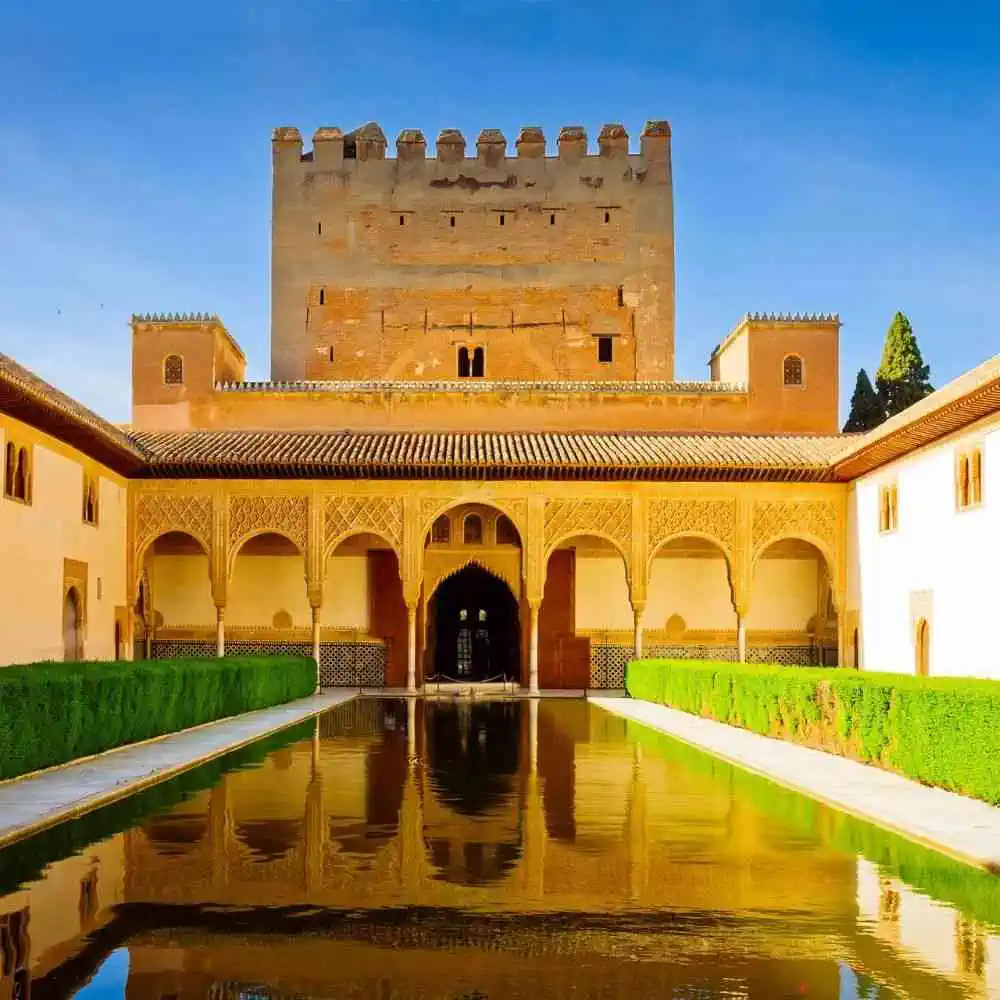
Alhambra Palace: This is Granada’s most famous landmark! The Alhambra Palace is a stunning fortress located on top of a hill in the center of the city. Here visitors can see the finest example of Moorish architecture in Europe. Entrance tickets must be purchased in advance online and the price varies depending on the day and time. Make sure to go early to avoid the long queues!
Carrera del Darro: Carrera del Darro is a lively street along the Darro River that winds along the old city walls of Granada. Here you'll discover a variety of restaurants, cafes, shops, and a few historical Spanish buildings. Insider tip: make sure to explore the street at night to really take in the atmosphere.
La Alcaicería: If you’re looking for an authentic Granadan shopping experience, then La Alcaicería is the place to go. This old market was once the main trading market of Granada and is still a popular spot for locals and tourists. Here you’ll find everything from traditional Spanish clothing and accessories to ceramics and tapestries.
Granada Cathedral: The Granada Cathedral is one of the city's most important monuments. Its stunning Gothic architecture and majestic towers are a sight to behold. Inside the cathedral, visitors will find a tomb where Queen Isabella and King Ferdinand are buried.
Albayzín: The Albayzín is one of Granada's oldest neighbourhoods. Here you can take a leisurely stroll and admire the ancient buildings and winding cobblestone streets. One of the neighbourhood's must-see sights is the Mirador de San Nicolás, where you can catch a breathtaking view of the Alhambra Palace.
Sacromonte: This neighbourhood is home to the city's famous cave-dwellings and flamenco shows. Take some time to explore the Sacromonte’s many different sites and attractions, including the Sacromonte Abbey and the Museum of Zirí.
What to Eat: airfare Granada's gastronomy is as diverse as its culture. It is especially well known for its delicious tapas, as well as its unique spin on some classic Spanish dishes. Be sure to try a Tortilla Sacromontina (a potato tortilla with egg, chorizo and lemon), a flamenquín (a roll filled with ham, pork loin and cheese) or a hearty remojón (oranges, avocado, olives, salt cod, and garlic).
Granada is a spectacular city of contrasts, where old and new blend together seamlessly. This is a destination that must be experienced in person to be truly appreciated. With its stunning architecture, delicious cuisine, and unique culture, it’s no wonder that Granada is a favourite destination for so many travellers.
Pamplona: Main train stations
Pamplona is the capital of Navarre, Spain, and it's main train station is called Pamplona Estación de Cercanías. This is the main station that connects Pamplona with other parts of the country, as well as with the rest of Europe. Pamplona also has two other important stations for commuters: Pamplona-Noáin, and Irún.
The Pamplona Estación de Cercanías is conveniently located next to the city center, at Carretera de Irún km 3.6, 31013. It's opening hours are from 5:00 to 23:00. Passengers can contact the station in advance on their telephone number (+34 948 10 01 00) or via email (atencionalpasajero@renfe.es). There is also a luggage storage service at the station.
- Pamplona/Iruna
Granada: Main train stations
Granada, a city located in Spain, has one main train station, Granada Train Station. This train station offers connections with the rest of Spain and Europe. In addition, there are other train stations in the city, such as the one located in Armilla.
The address of Granada Train Station is 6 Calle Zaidín Vergeles, 18014 Granada, Spain. It is open every day from 6:00 am to 1:00 am, and the telephone number is +34 958 12 00 12. The station also offers luggage storage facilities for travelers.
Pamplona - Granada: How to get the best deals
Book in Advance:
Just like with airfares, train ticket prices tend to rise as the departure date gets closer. Booking weeks or even months in advance can save you a significant amount.
Travel During Off-Peak Hours:
Avoid traveling during peak times such as weekday mornings and evenings. Opt for midday, late evening, or mid-week rides when there's less demand.
Consider Slower Trains or non direct routes:
Express or high-speed trains might save time, but they're often pricier. Opting for regional or slower services can reduce your fare.
Look for Special Deals and Promotions:
Train operators occasionally have promotions or special deals, especially during off-peak seasons. It's worth signing up for newsletters. Additionally, there are sometimes group or return ticket discounts, so consider these options if they fit your travel plans.
- Contact Us





 4.8 Stars | 10000+ Reviews
- Request failed with status code 502
- AxiosError: Request failed with status code 502 at settle (file:///app/node_modules/axios/lib/core/settle.js:19:12) at IncomingMessage.handleStreamEnd (file:///app/node_modules/axios/lib/adapters/http.js:617:11) at IncomingMessage.emit (node:events:531:35) at endReadableNT (node:internal/streams/readable:1698:12) at process.processTicksAndRejections (node:internal/process/task_queues:90:21) at Axios.request (file:///app/node_modules/axios/lib/core/Axios.js:45:41) at process.processTicksAndRejections (node:internal/process/task_queues:105:5) at async p (/app/.next/server/chunks/33893.js:1:115147) at async request (/app/.next/server/chunks/33893.js:1:111490)